Learn the language before the appointment gets personal.

A focused learning hub for peptide science, bioidentical hormones, mitochondria, redox, metabolism, recovery, and clinic education workflows. The goal is orientation, not self-treatment.

Filter topicsNo protocols. No hype. Safer questions.
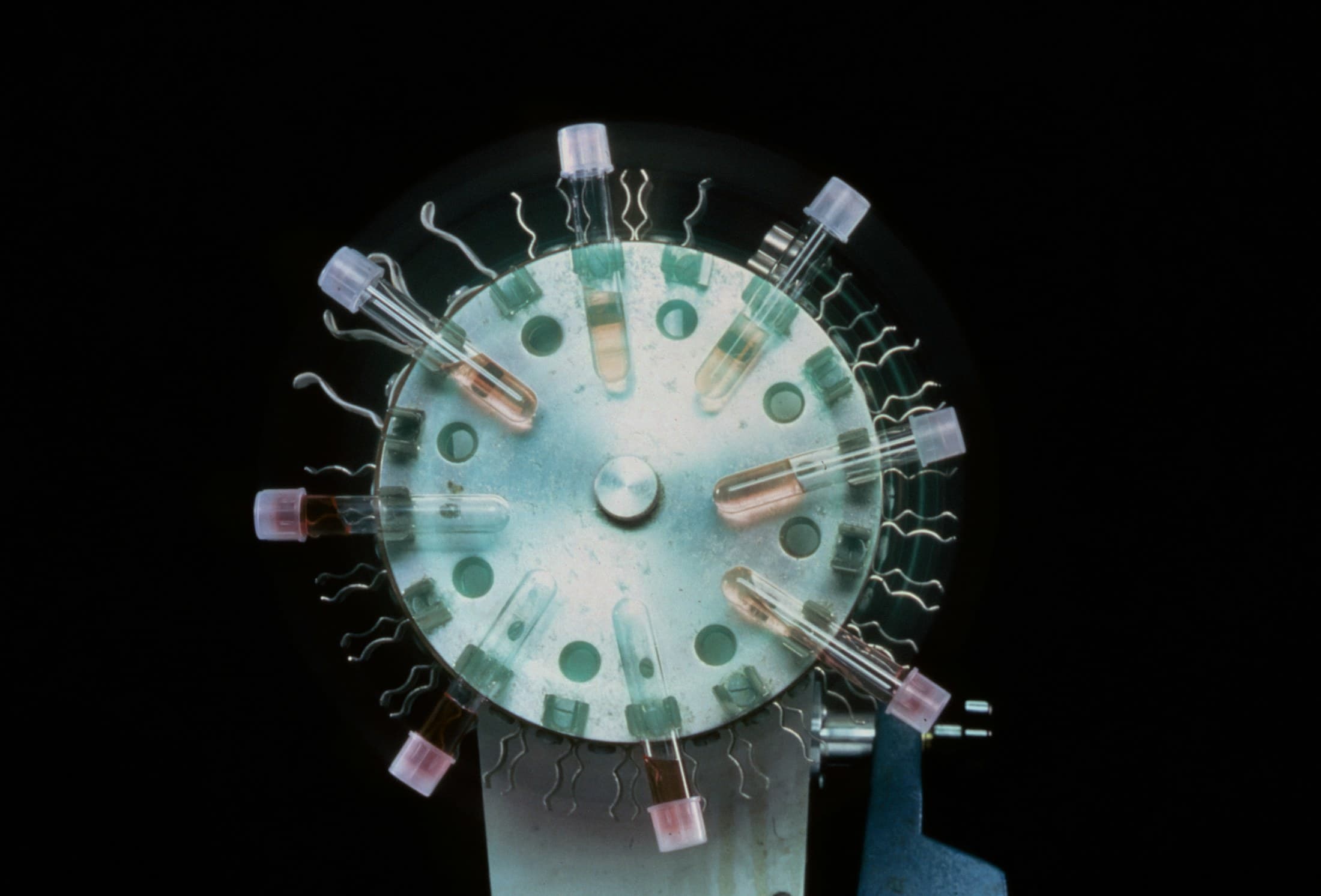
Laboratory tissue culture spinner with glass vials arranged in a circular instrument
Lab language, translated without turning education into protocols.

Build context. Ask better questions.

This page teaches language and boundaries. It does not publish protocols, dosing, sourcing, or personal treatment plans.

  • Peptides and hormones stay clinician-supervised
  • Mitochondria and redox are context, not magic words
  • Use education to prepare, not self-prescribe

Filter the learning paths.

Peptides

Peptides as signals, not shortcuts

Peptides are short chains of amino acids that can influence biological signaling. Public education should explain categories, safety boundaries, and clinician questions without drifting into protocols.
  • Some peptides are established medications; others remain emerging or research-facing.
  • Terrain matters: sleep, nutrition, hormones, inflammation, gut health, and energy reserve affect response.
  • Sourcing, dosing, cadence, and candidacy belong with qualified medical professionals.
Read the full lesson

Communication

Meet the hypothalamus: the control room of the control room

The hypothalamus helps translate information from the brain and body into coordinated autonomic and endocrine responses.
  • Homeostasis includes temperature, thirst, hunger, sleep, stress, and energy balance.
  • The hypothalamus helps direct the pituitary using releasing and inhibiting hormones.
  • Regulation is a networked process—not the work of one structure acting alone.
Read the full lesson

Hormones

Hormones as conductor signals

Hormone education helps connect perimenopause, menopause, thyroid, testosterone, progesterone, estradiol, sleep, metabolism, and repair.
  • Symptoms and labs need timing, context, and a care-team conversation.
  • Hormones influence how available energy is allocated across the body.
  • Bioidentical hormone questions require individualized medical review.

Mitochondria

Energy production and redox context

Mitochondria, membranes, electron flow, minerals, sleep, and repair capacity shape how much resilience the body has available.
  • ATP demand can rise faster than recovery capacity.
  • Redox can be explained as cellular wiring rather than a buzzword.
  • Mitochondrial education belongs upstream of aggressive tactic-chasing.

Metabolism

GLP-1, muscle, and metabolic resilience

Weight and glucose conversations are clearer when protein, strength, hormones, sleep, thyroid context, and mitochondrial reserve are included.
  • Body composition education should include muscle preservation.
  • Metabolic flexibility is bigger than a single medication or marker.
  • Public copy should avoid disease-treatment promises.

Recovery

Sleep, inflammation, gut, and immune alarms

Rest, histamine tone, gut barrier, immune activation, and nervous-system demand can all change the health picture.
  • Inflammation and histamine can be framed as signals that need context.
  • Sleep architecture and circadian rhythm influence repair.
  • Sensitive clients may need slower education and clinician-led pacing.

Clinics

Patient education workflows for modern practices

Clinics can use better education architecture so visits begin with context, realistic expectations, and safer questions.
  • Build learning paths from concepts to questions.
  • Keep intake and reminders low-risk until privacy posture is approved.
  • Escalate symptoms, adverse events, and medication questions to the clinical team.

Some of the value stays private by design.

The public site can teach principles, vocabulary, safety boundaries, and better questions. It should not publish individualized sequencing, private education architecture, sourcing logic, clinical pearls, or anything that would turn Jenn's consultation method into a downloadable playbook.

  • Public content explains concepts and questions, not dosing, sourcing, protocols, or personal treatment plans.
  • Medical decisions stay with licensed clinicians who can evaluate history, labs, contraindications, and monitoring.
  • Private education architecture, internal clinical pearls, and consultation sequencing details stay private.

Turn study notes into appointment questions.

When the topic is personal, move from education into clinician-led decision-making. JW Method can help prepare that conversation.

Book appointment

JW Method provides educational consultation and patient-education support only. Services are not medical diagnosis, treatment, prescribing, or care from a licensed healthcare provider. Peptides, hormones, GLP-1s, thyroid therapies, compounded medications, symptoms, and medication changes require individualized review by qualified medical professionals.